Every year, women affected by cancer turn to Counterpart for connection, support and information.
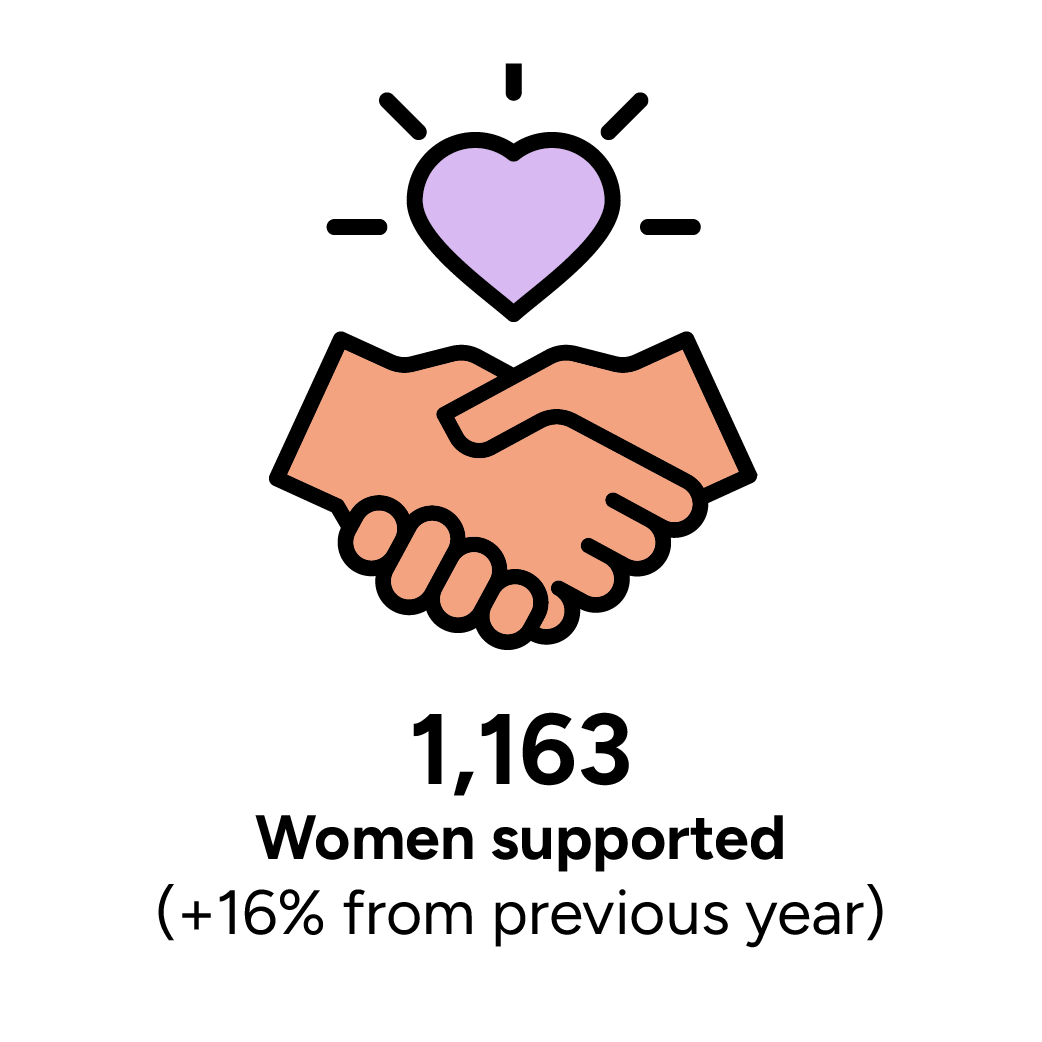
In 2025–26, we reached more women than ever before, opened our first regional Peer Support Hub in Geelong and continued bringing women living with cancer together to connect, share experiences and feel less alone.
Service use by cancer type
Service use by region
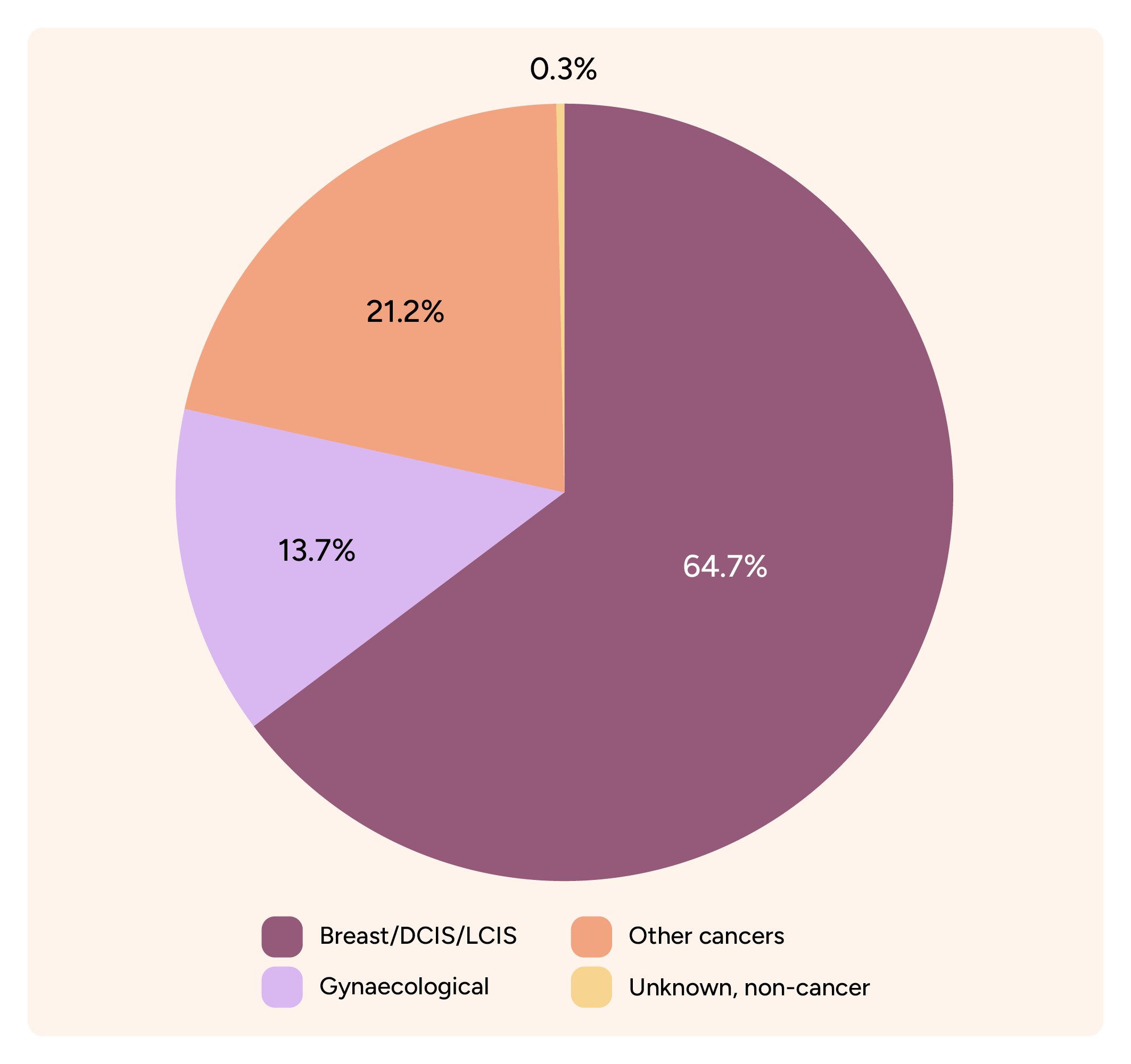
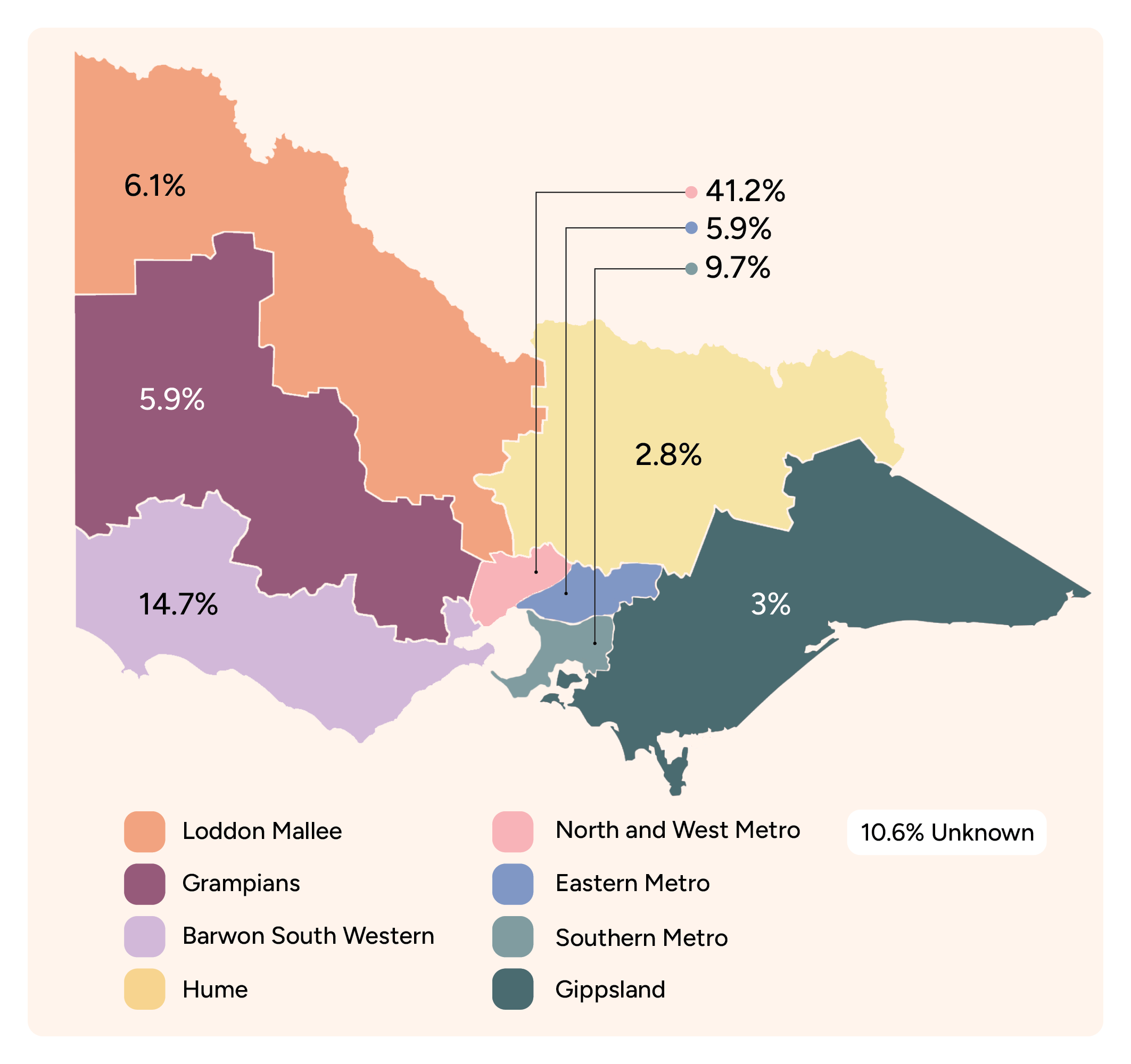
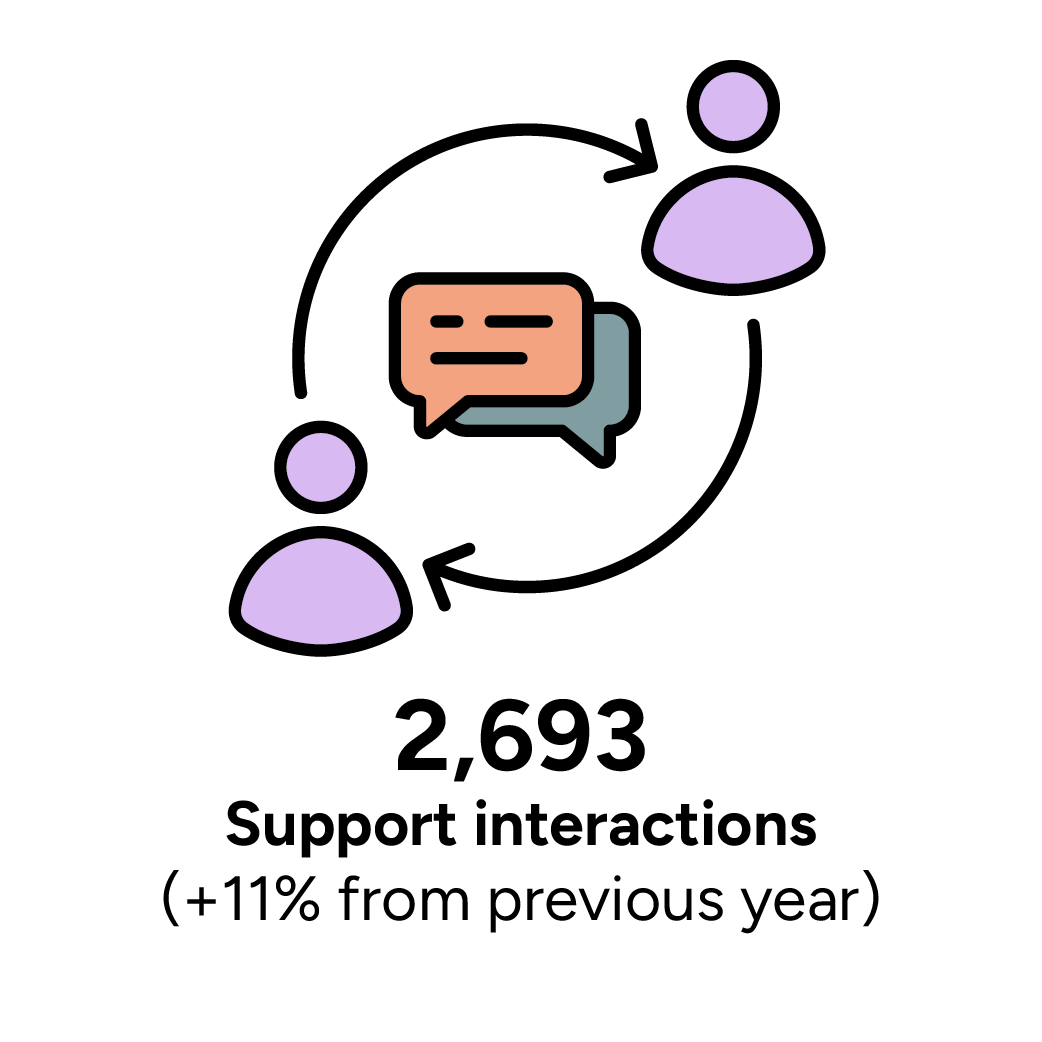
Regional women now account for more than 30% of service interactions, up from under 25% the previous year. Counterpart also continued reaching women with less common cancers, with 21% of interactions involving a cancer other than breast or gynaecological cancer.
Most common languages spoken (after English)
Arabic, Mandarin, Cantonese, Macedonian, Vietnamese, Urdu
Expanding support across Victoria
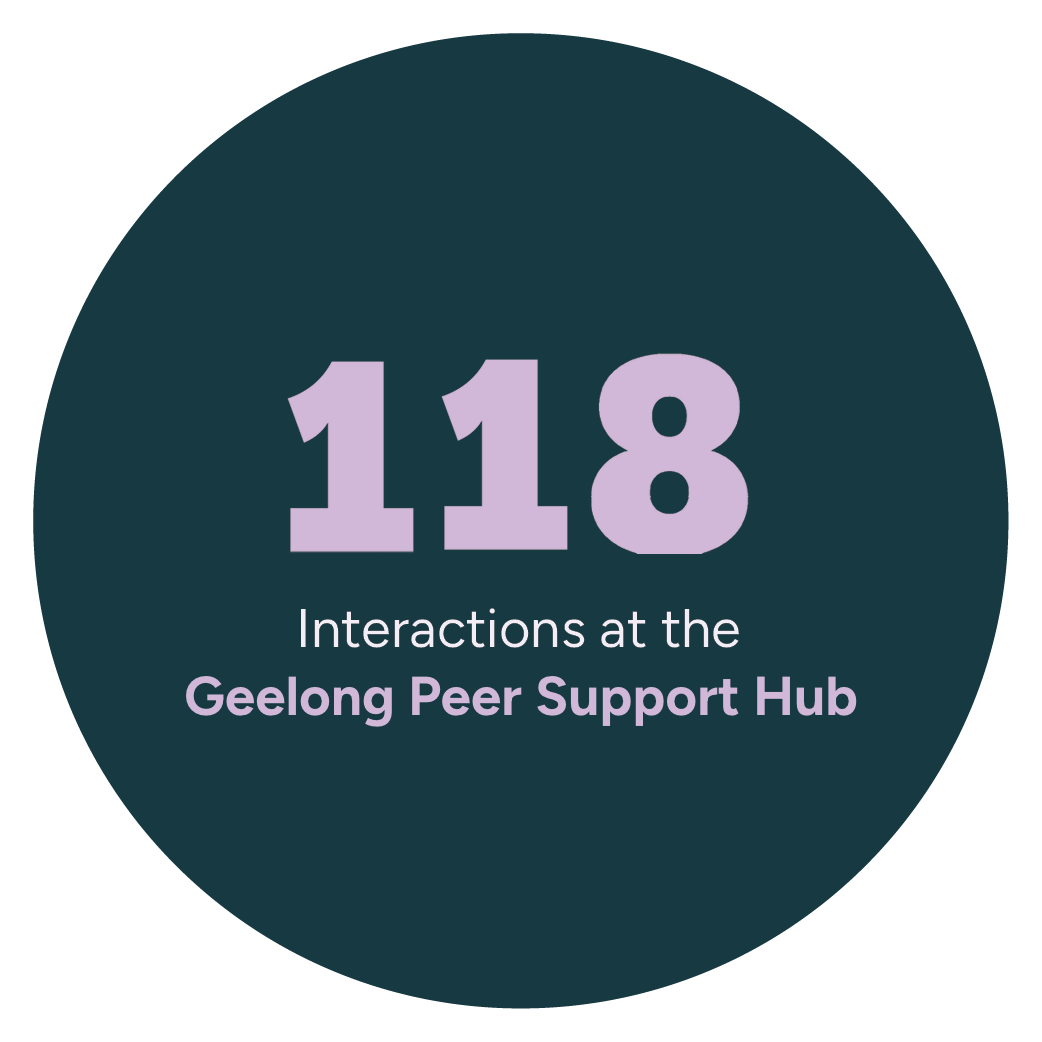
This year, we opened Counterpart’s first regional Peer Support Hub in Geelong, marking an important milestone.
Through the Geelong Hub, we bring Counterpart’s trusted, lived-experience peer support closer to women in the region. Women affected by cancer can meet trained Peer Support Volunteers in person, find information and support, and connect with others in their local community.
By expanding into regional Victoria, we’re making support easier to access, wherever women live. We’re also building local relationships to shape support around the needs of women in regional communities.
We also consulted with women affected by cancer and local health professionals across Gippsland to understand their experiences, needs and priorities. These conversations helped us lay the foundations for a future Gippsland Peer Support Hub.
Through this work, we’re extending Counterpart’s reach beyond Melbourne and working towards our goal: helping women affected by cancer find connection, understanding and support closer to home.
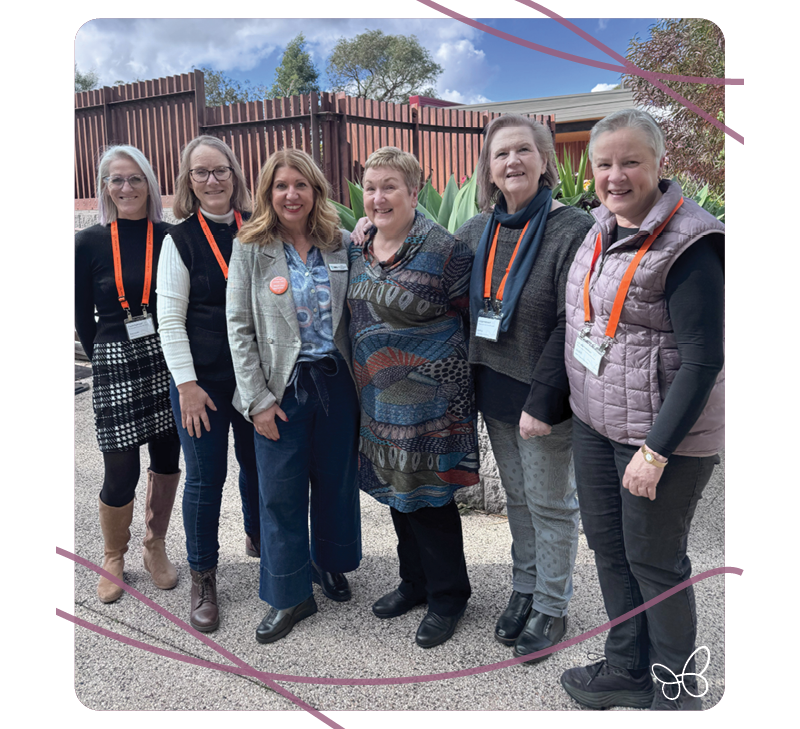
Feedback surveys conducted after our first Geelong Peer Support Hub meeting indicated that:
- Attendees’ feelings of being supported increased after attending the Hub.
- Attendees’ feelings of isolation decreased after the Hub session.
- Attendees’ knowledge of cancer services and supports that are available to them improved after attending the Hub.
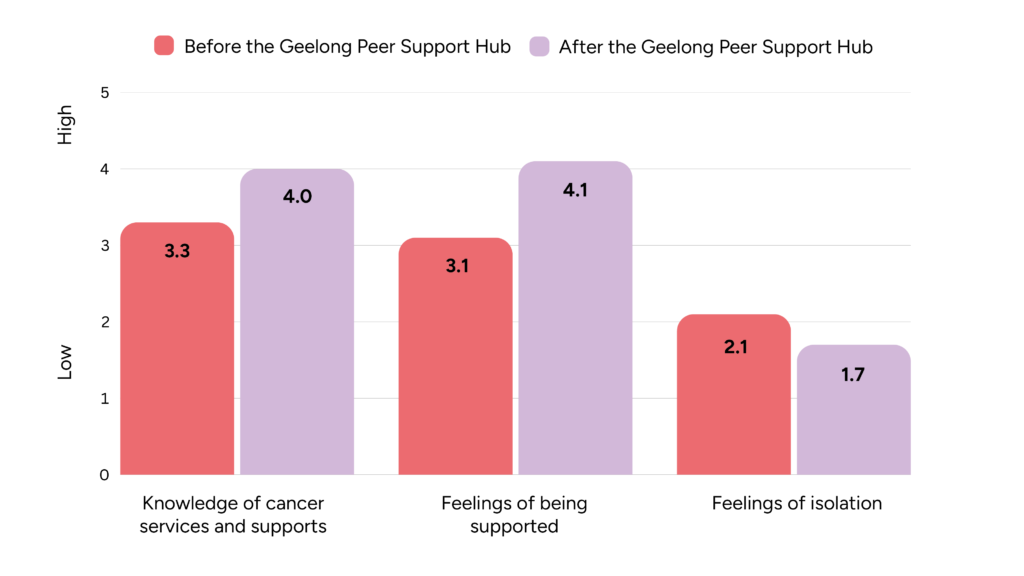
Geelong Peer Support Hub attendee
The power of peer support
At Counterpart, connection is at the heart of what we do.
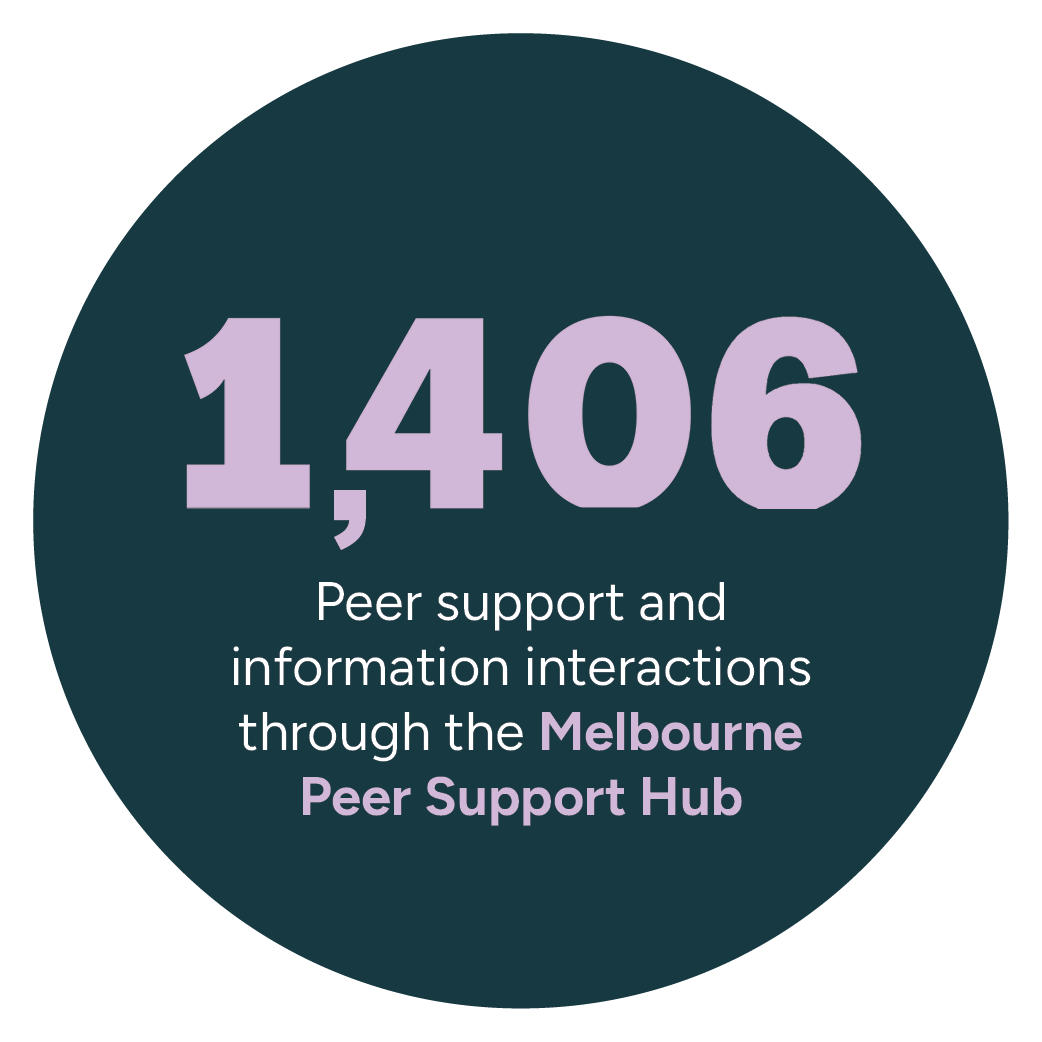
Our Peer Support Volunteers draw on their own lived experience to support women navigating cancer, whether they need information, someone to talk to or simply the reassurance of connecting with someone who understands.
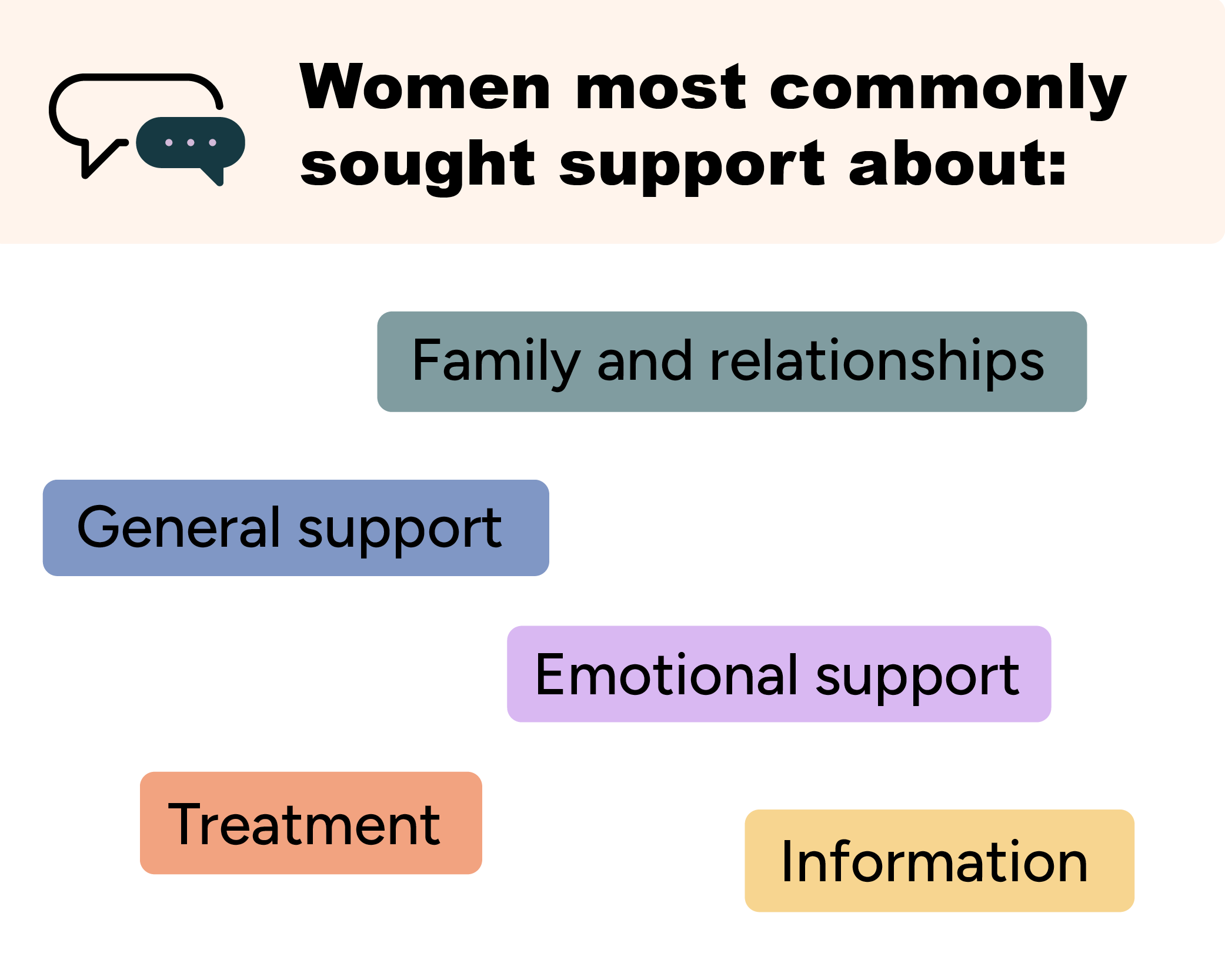
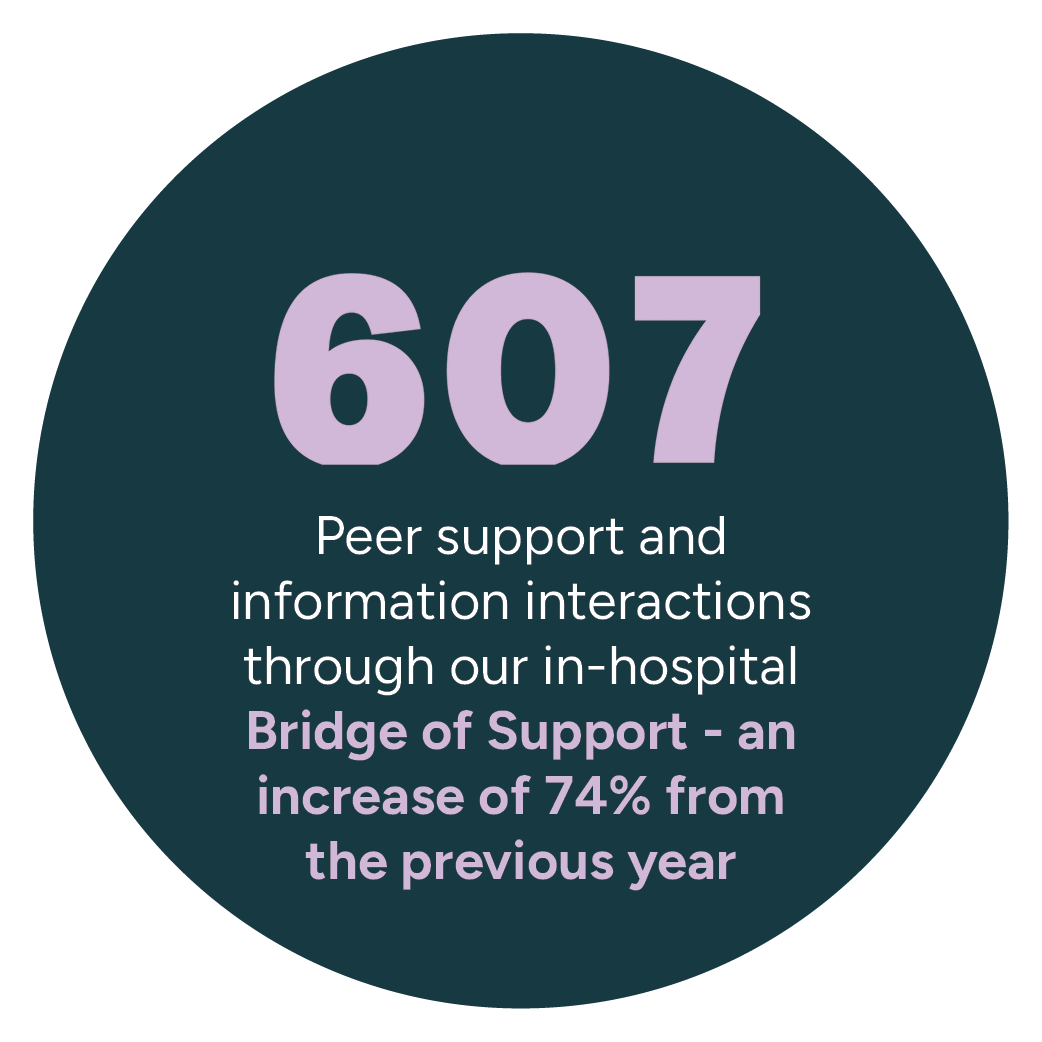
This year, women connected with us through our Melbourne and Geelong Peer Support Hubs and our growing Bridge of Support program, where interactions increased by 74%.
Creating opportunities for wellbeing and connection
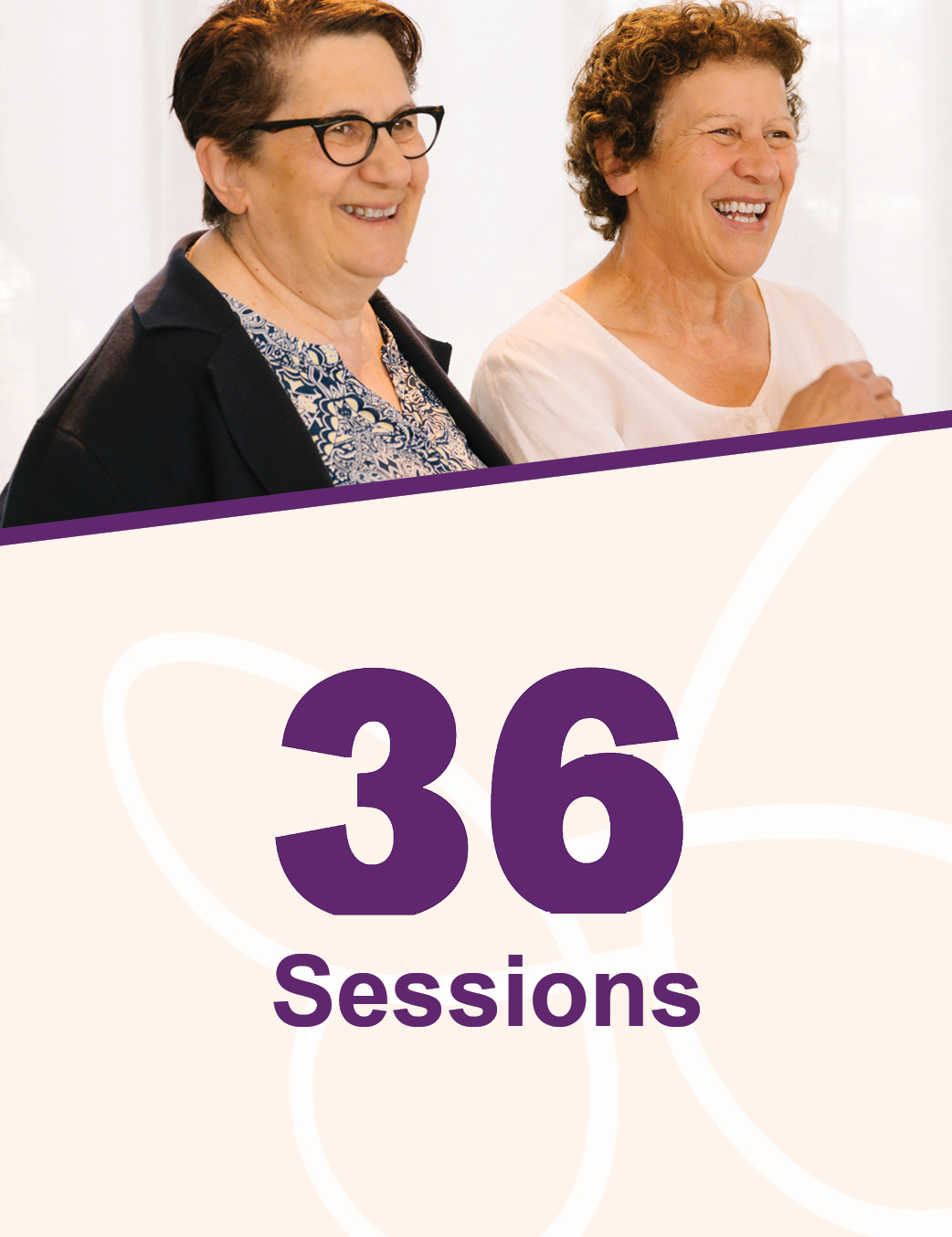
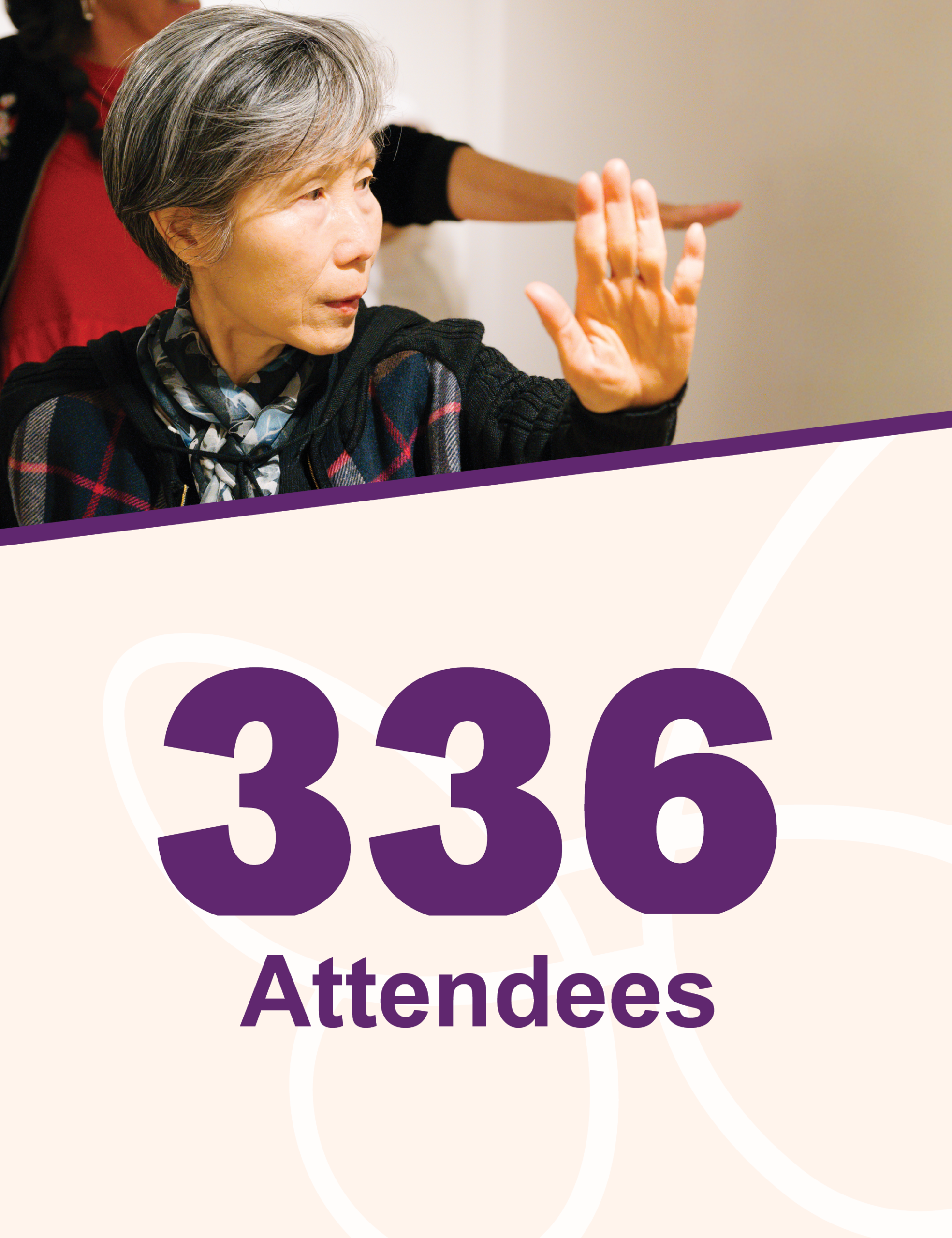
Counterpart creates spaces for women affected by cancer to take time for themselves, connect with others and support their wellbeing. From yoga and meditation to creative workshops, our activities offer different ways to move, relax, try something new and spend time with people who understand some of what they’re going through.
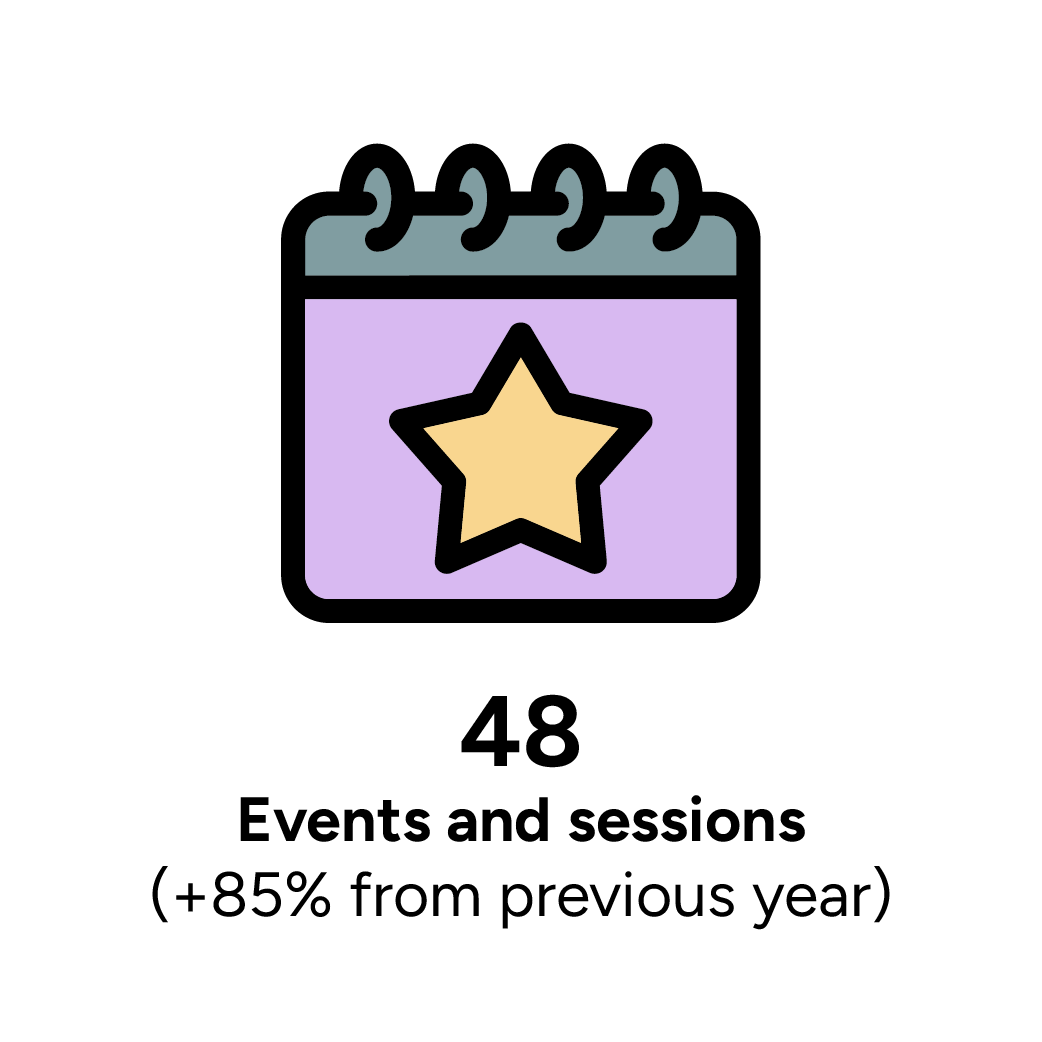
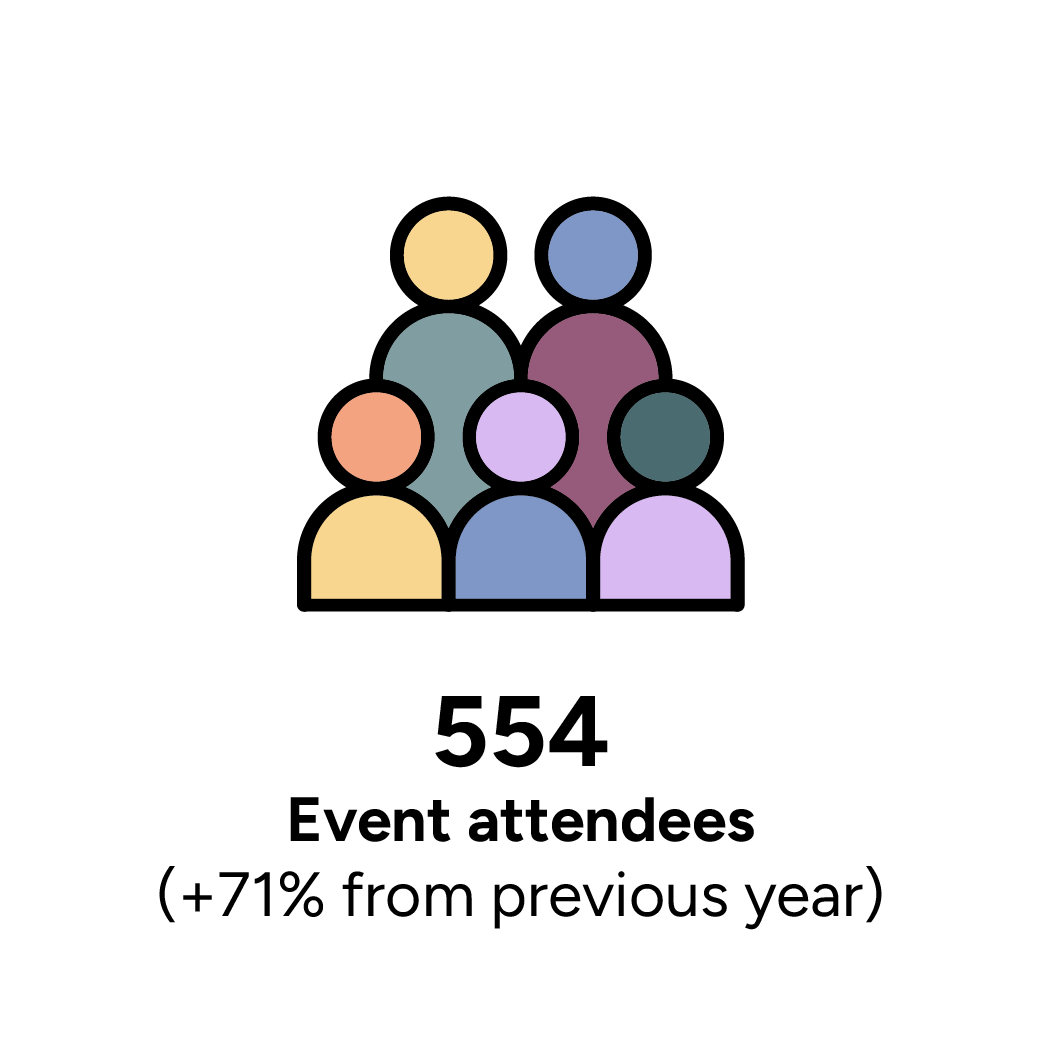
This year, hundreds of women joined our wellbeing and movement activities, creating opportunities for connection alongside the peer support and information Counterpart provides.

Counterpart works with local partners to bring wellbeing days to women affected by cancer across Victoria. These days create space for women to step away from the everyday, focus on their wellbeing, connect with others and discover support and information available in their community.
This year, we continued to prioritise regional communities, bringing the majority of our wellbeing days outside metropolitan Melbourne and making opportunities for connection and support available closer to home.
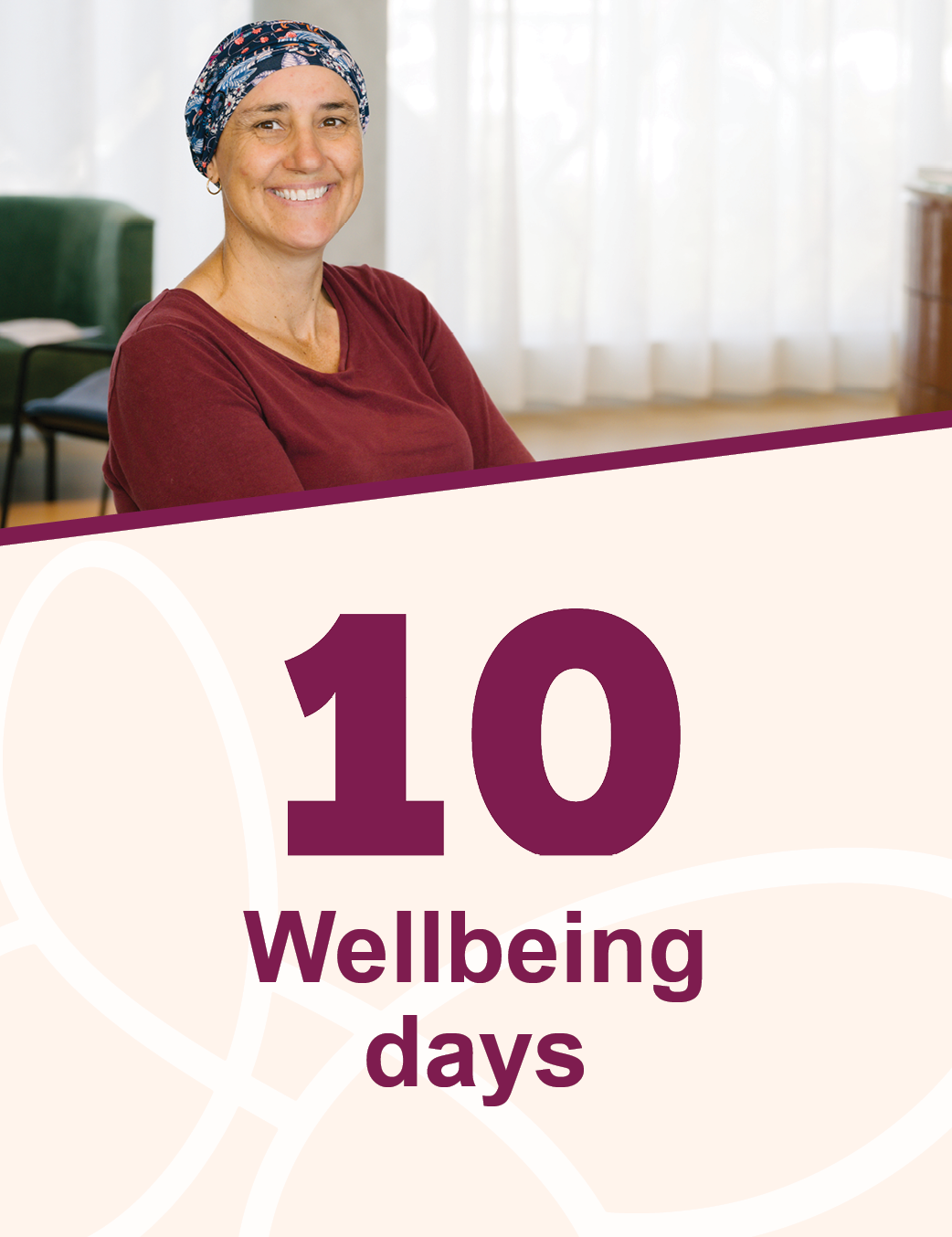
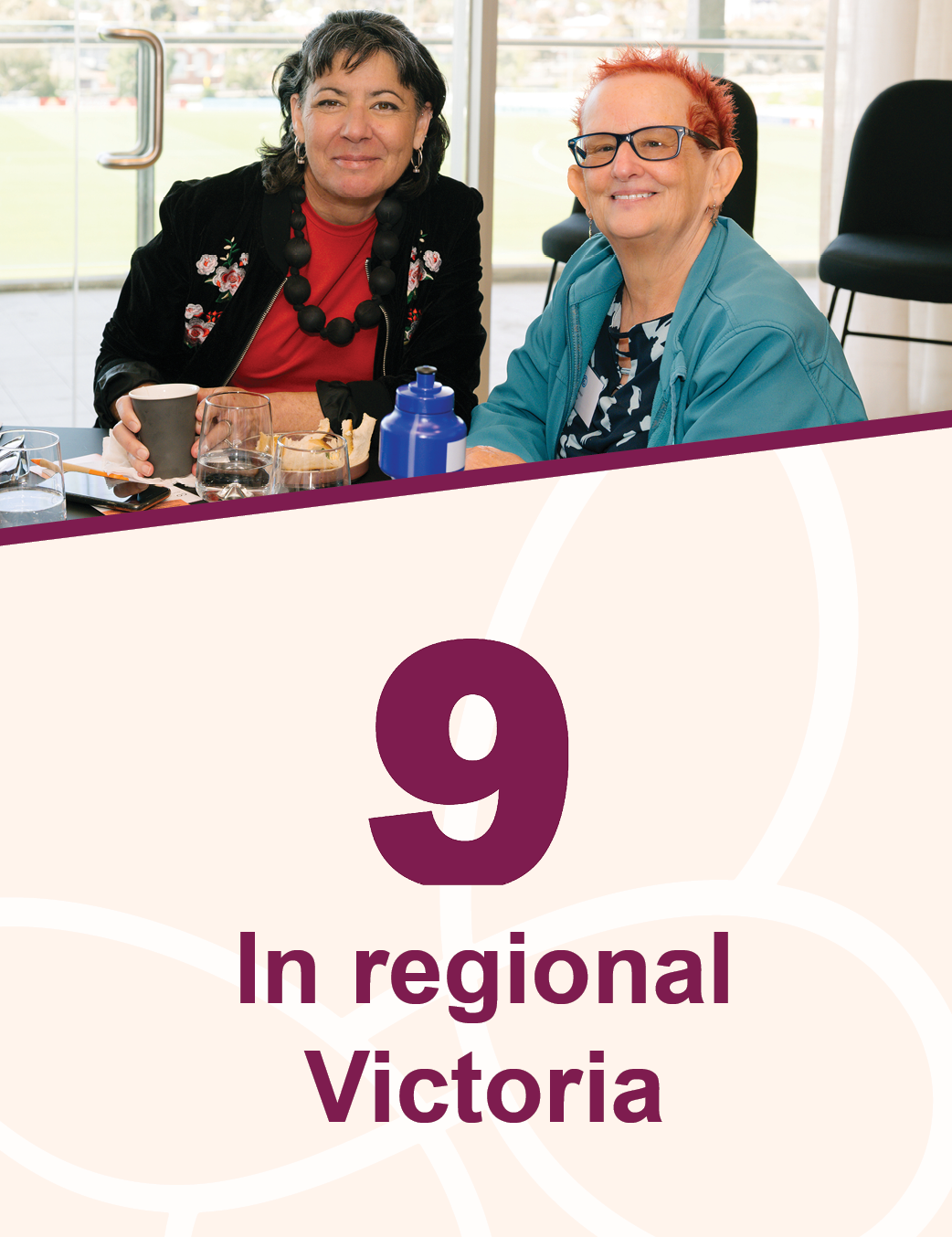
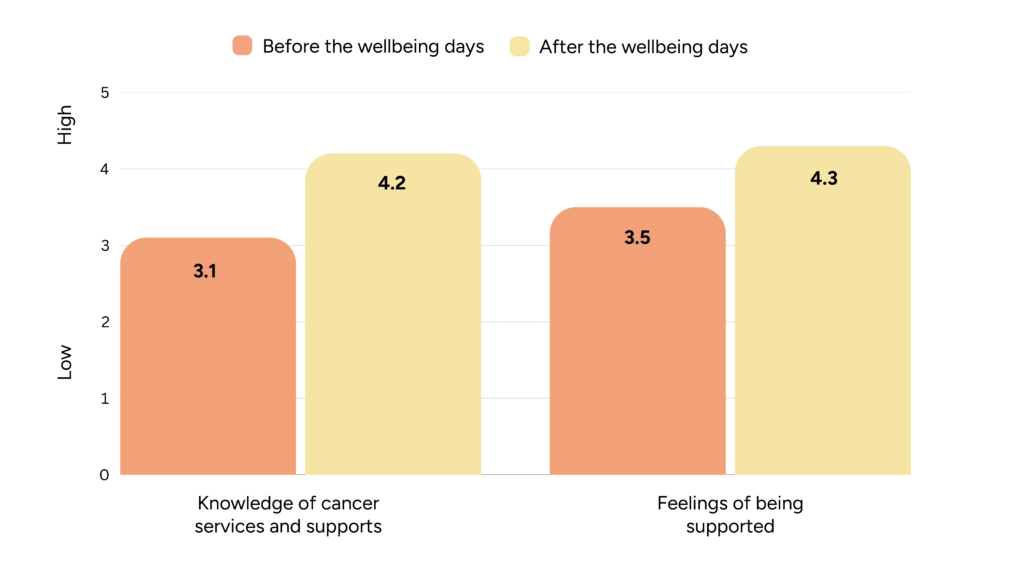
Feedback surveys conducted after each of our wellbeing days indicated that over all the wellbeing days:
- Attendees’ knowledge of cancer services and supports that are available to them improved after attending the wellbeing days.
- Attendees’ feelings of being supported as also increased after attending the wellbeing days.
- All survey respondents reported they would recommend the wellbeing days to others.
Online Yoga4Cancer series participant
Healing using collage participant
Colac Wellbeing Day attendee
Our volunteers make it possible
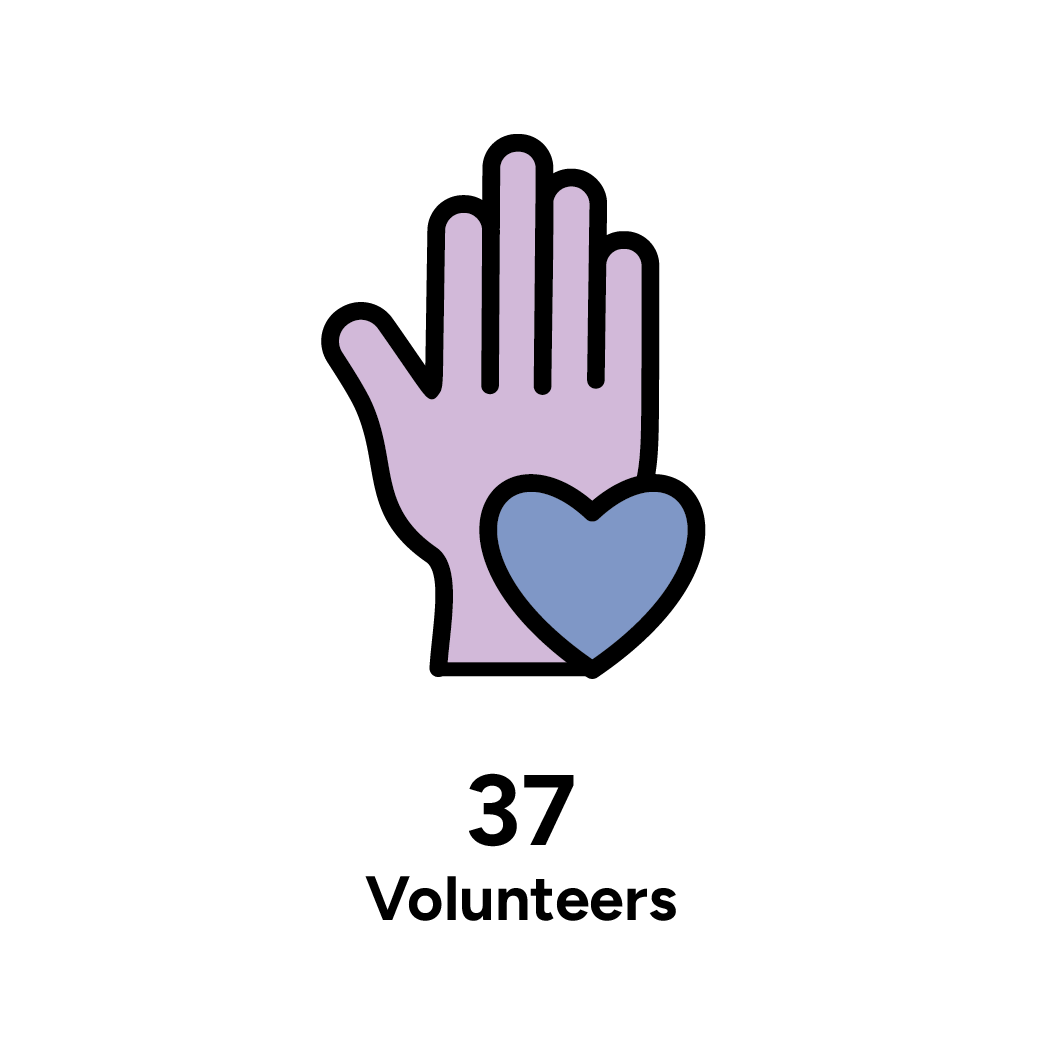
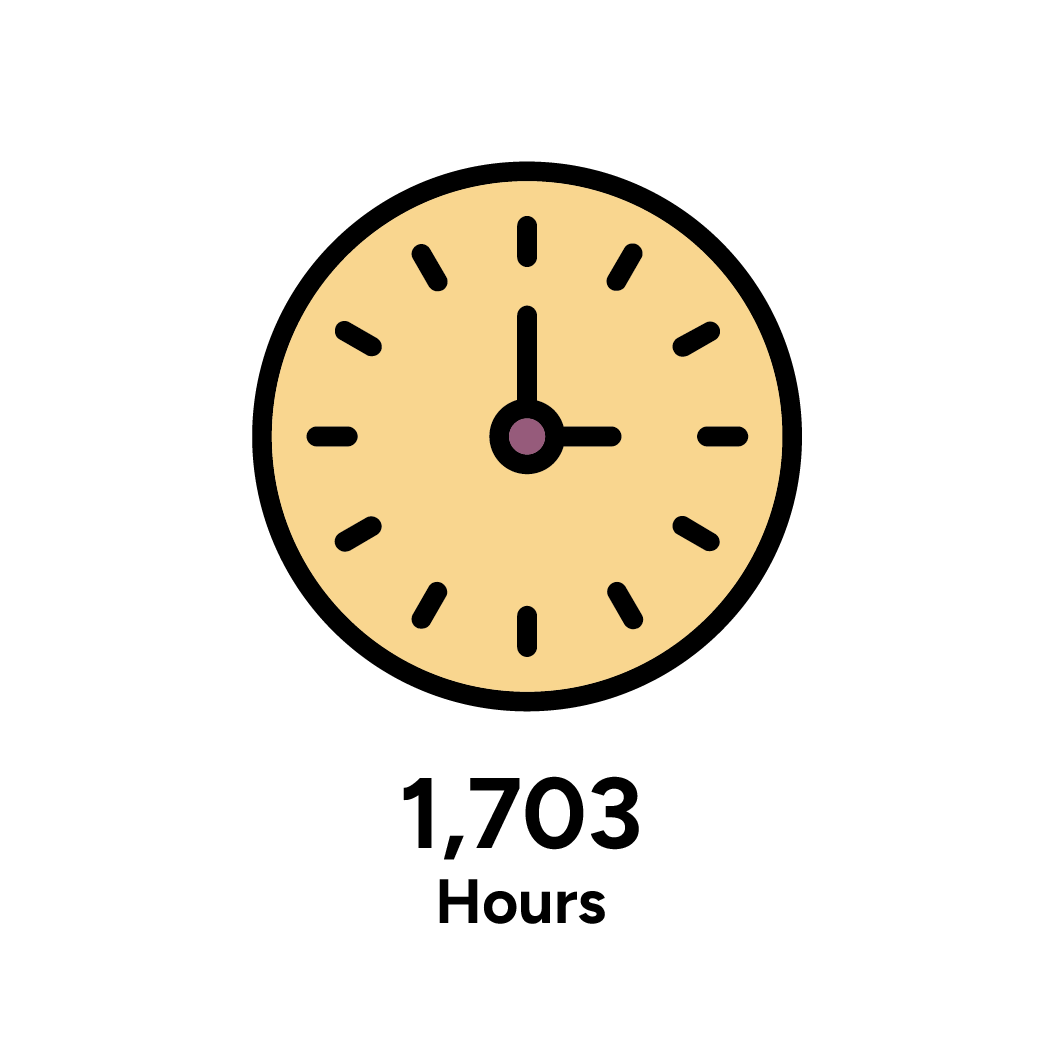
Our Peer Support Volunteers bring compassion and lived experience to every interaction. Their dedication enables women to access timely support and meaningful connections. We thank them for their time, care, and commitment.
Learn more about our volunteers here.
How our volunteers contribute
Peer support
via the phone or in person at Melbourne Peer Support Hub or hospitals through Bridge of Support
Events
assist with running events, including the regional wellbeing days, and also provide peer support at the events
Training
undergo ongoing training and assist with the recruitment, training and mentoring of new Peer Support Volunteers
Helping more women find support
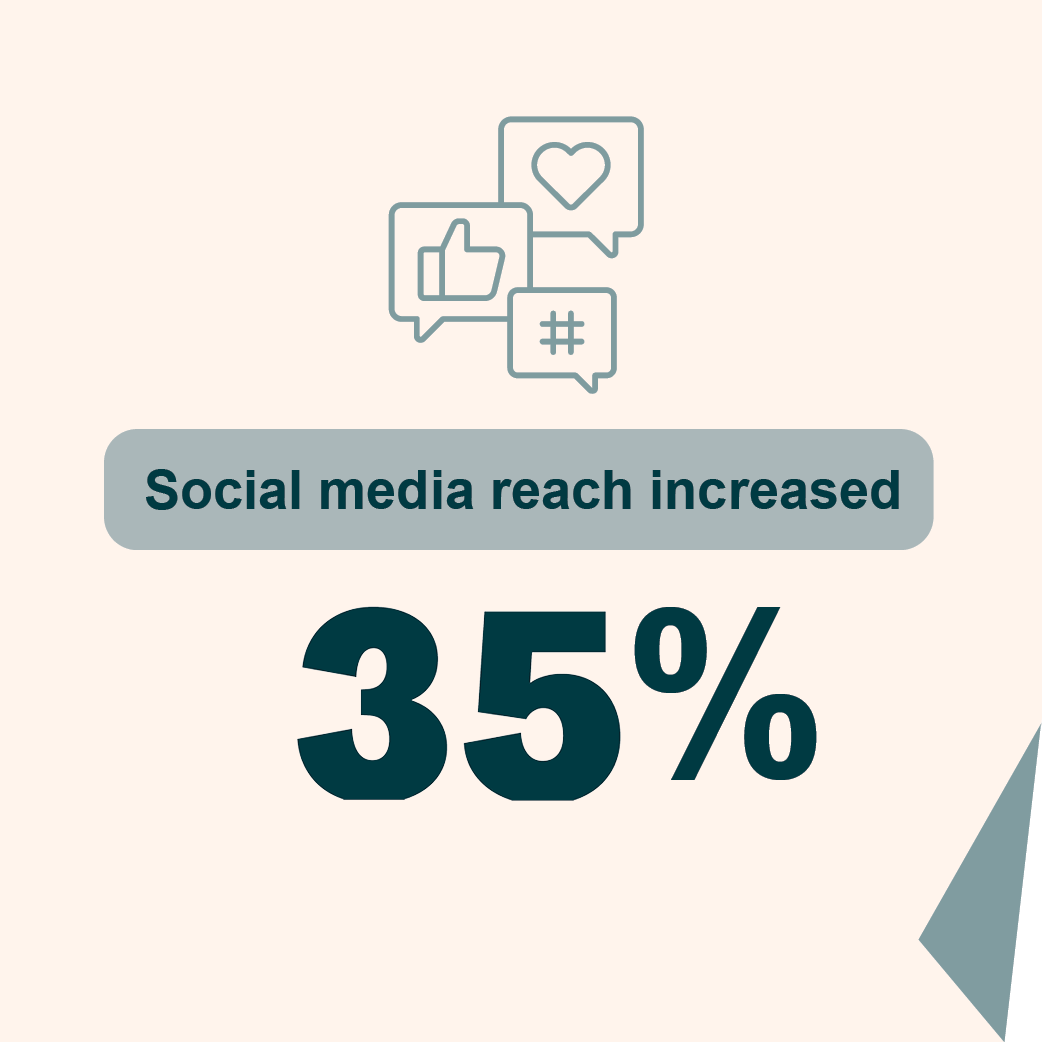
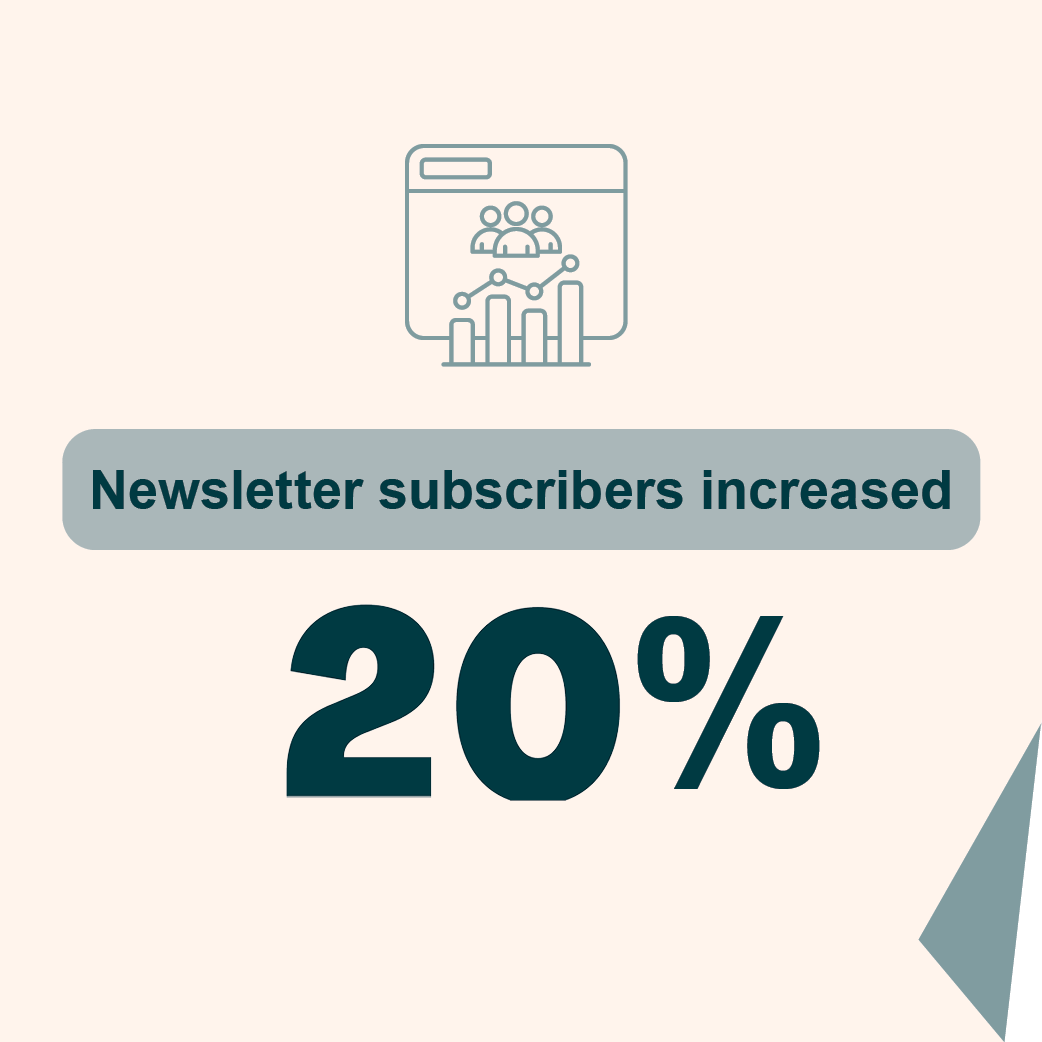
Counterpart’s online reach continued to grow strongly.
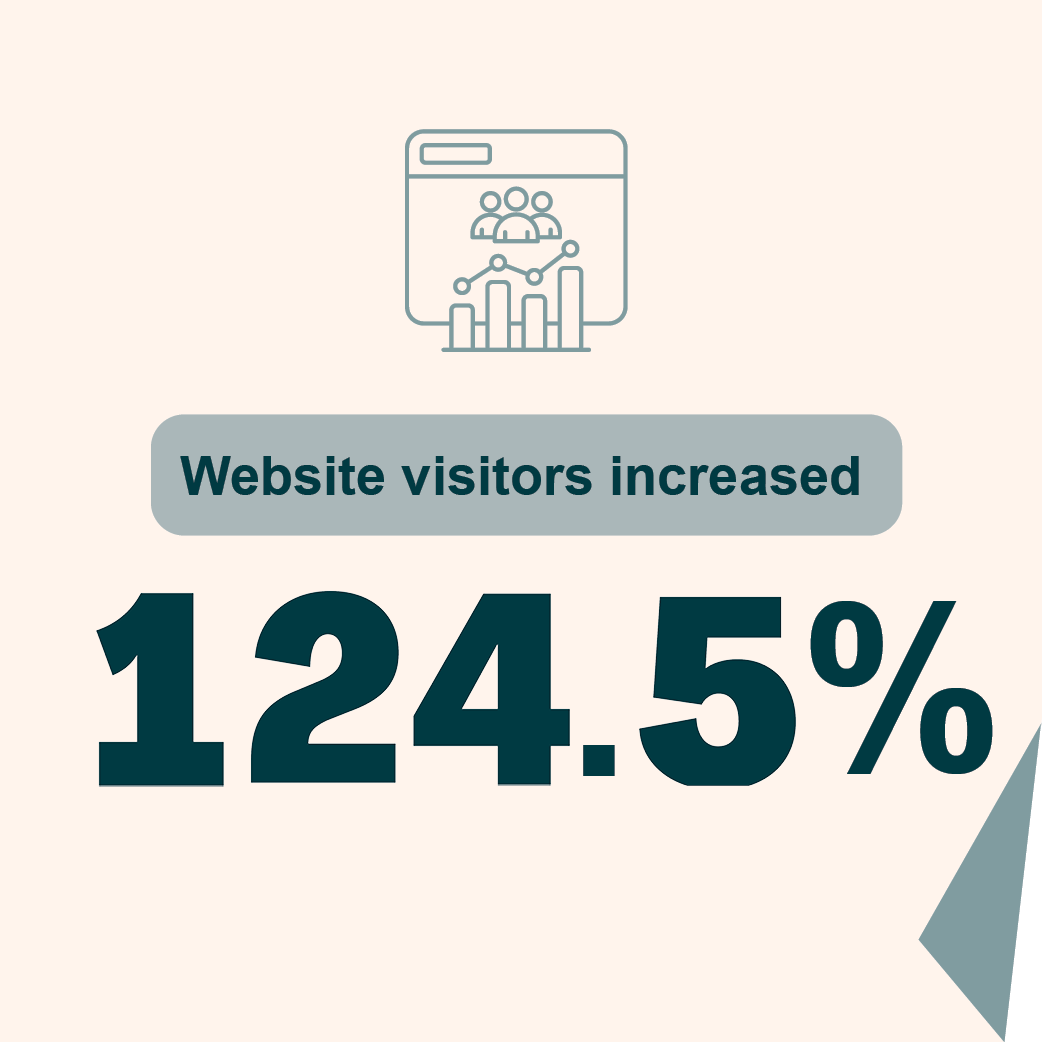
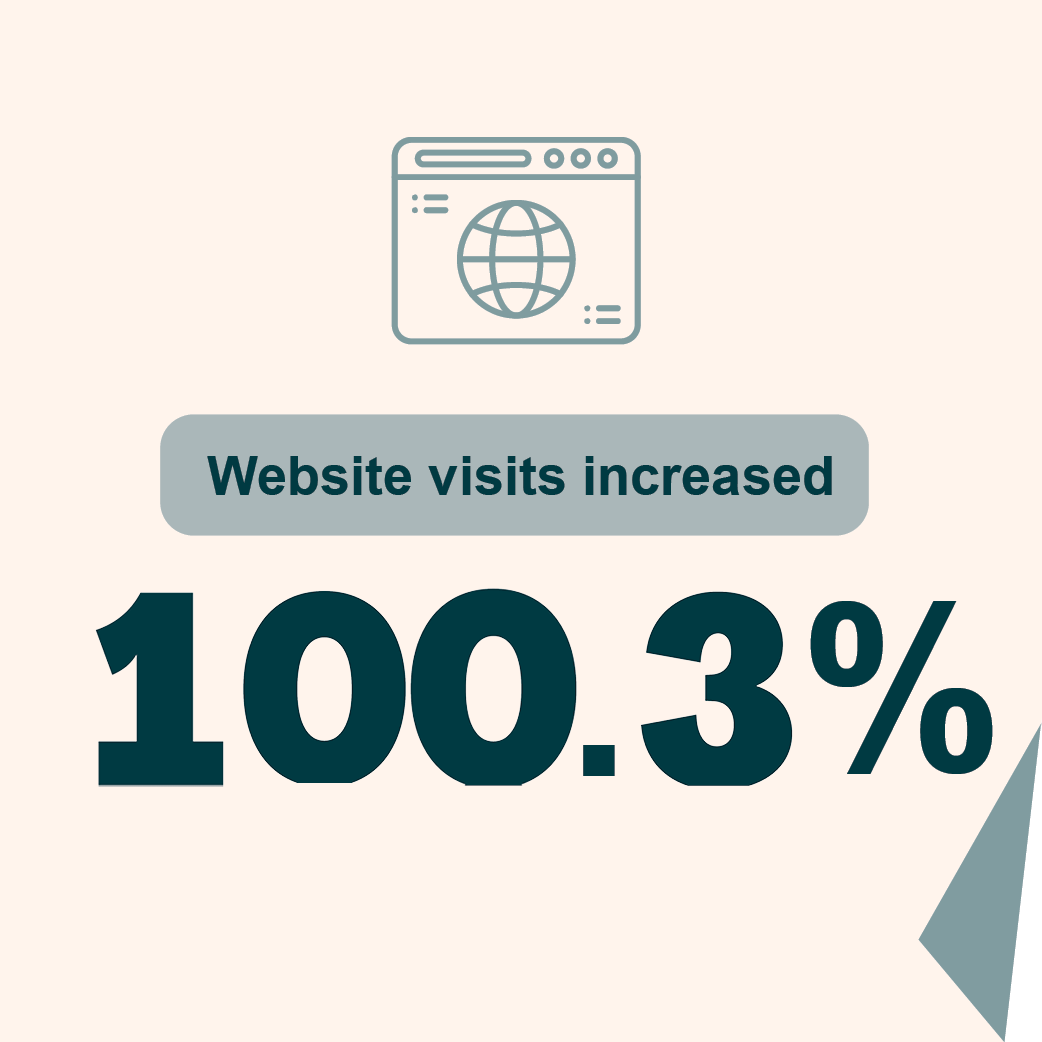
More than 37,800 people visited our website – over double the previous year – helping more women discover support, events and ways to connect.
The most visited webpages focused on events, peer support and volunteering, showing strong interest in opportunities to connect and get involved.

Turning lived experience into action
Through Counterpart, we hear directly from women affected by cancer about their experiences of the health system, including the barriers, dismissal and delays some women face when seeking care. These experiences helped inspire Women’s Health Victoria to look more closely at gender equity in cancer care.
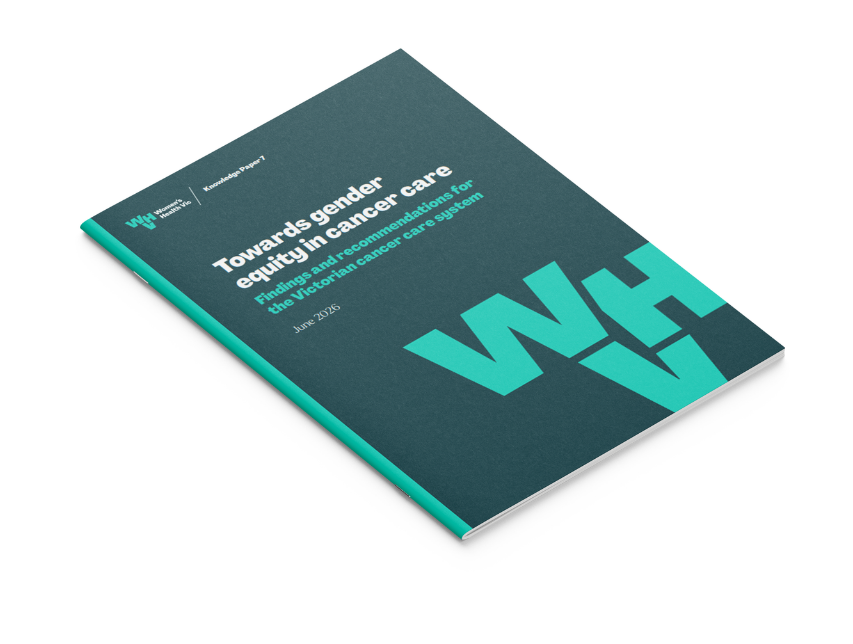
The resulting Towards gender equity in cancer care report draws attention to gender gaps in cancer care and opportunities to create a more equitable system. It’s an example of how the experiences shared by Counterpart volunteers and women who use our service can help inform advocacy and work towards broader change.
Understanding our impact through listening, learning and improving
This year, we completed a comprehensive evaluation of our Counterpart services, helping build a deeper understanding of what works, where support is needed most and how our services can continue evolving to meet women’s needs.
The evaluation drew on feedback from people who use our service, volunteers, staff, partners, referrers and collaborators to help us better understand what’s working well and where we can continue to improve.
The findings reinforced the value of peer support, trusted information and opportunities for connection throughout the cancer experience. They also identified opportunities to strengthen and evolve Counterpart so we can continue responding to the changing needs of women affected by cancer.
We’re now considering the evaluation’s recommendations and prioritising actions to guide the next phase of Counterpart’s work.
Read the key recommendations here.
Behind Counterpart’s impact is our dedicated staff, volunteers, and the Counterpart Advisory Group, who guide, support, and deliver services for women with cancer.


Thank you to our supporters and partners
Major funder:

Donors:
- Ruby Curran
- Massiny Ng
- Meri Rametta
- Nina Macgeorge
- Shu Yi Soong
In-kind donors and supporters:
- Belinda Astl, Astl Consulting
- Vanessa Carty, Peter MacCallum Cancer Centre
- Poly Noble, Barwon Health
- Rahchell Cornish, Latrobe Regional Health
- Ann Soo Lawrence
Friends of Counterpart:
- Andrew Love Cancer Centre Wellness Lounge
- Community Data Solutions
- Greater Geelong – Queenscliffe Mental Health & Wellbeing Local
- IT Strategic
- Leukaemia Foundation
- McGrath Foundation
- Mending Casts
- Neuroendocrine Cancer Australia
- Thursday Girls
- Wig Libraries
- Wig Sisters
Event partners:
- Barwon South Western Regional Integrated Cancer Service
- Bayside Health
- Bendigo Health
- Canteen
- Colac Area Health
- Gippsland Regional Integrated Cancer Service
- Gippsland Women ‘s Health
- Icon Cancer Centre
- Loddon Mallee Integrated Cancer Service
- Look Good Feel Better
- Mildura Base Public Hospital
- North East Health Wangaratta
- South West Healthcare
- Swan Hill District Health
- Women’s Health and Wellbeing Barwon South West
- Women’s Health Goulburn North East
Bridge of Support partners:
- Peter MacCallum Cancer Centre
- The Royal Melbourne Hospital
- The Royal Women’s Hospital
- Western Health